Keynote Speakers
A Global Network of Research Ethics Excellence
The conference will bring together leaders, speakers, and experts from FERCAP-recognized Research Ethics Committees across Asia, the Western Pacific Region, and beyond, fostering collaboration, capacity building, and excellence in research ethics
Director, WHO-TDR*
Representative, Gender and Research Ethics Programme, WHO-TDR*
Rector, Hasanuddin University*

Representative, Ministry of Health, Republic of Indonesia*
Representative, Indonesian Food and Drug Authority (BPOM RI)*

FERCAP (Forum for Ethical Review Committees in the Asian and Western Pacific Region) Leadership
FIRREC (Forum of Indonesian Recognized Research Ethics Committee) Expert members
(Speakers marked with * are subject to confirmation.)
View the list of FERCAP-Recognized ECs/IRBs:
https://www.sidcer-fercap.org/pages/recognized-ecs-irbs.php
Important Dates :
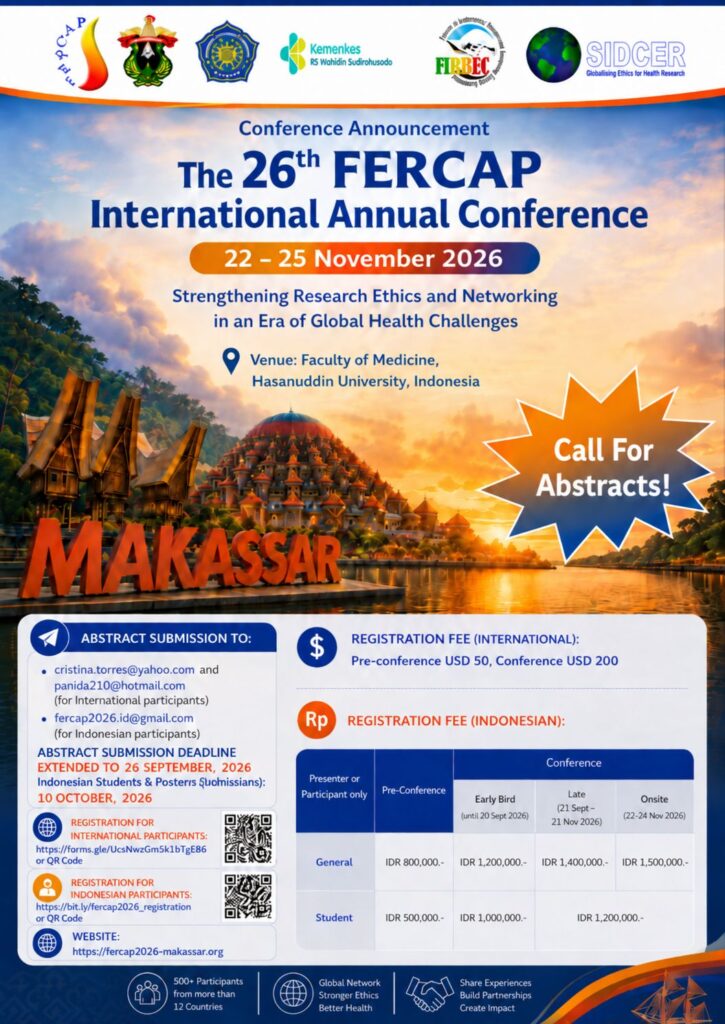
| March 31, 2026 | Abstract submission opens |
| September 26, 2026 | Deadline for abstract submission (Oral/Poster Presentation) |
| October 10, 2026 | Submission deadline for Indonesian students and poster presentation |
| September 30, 2026 | Initial notification of abstract acceptance |
| October 31, 2026 | Final Acceptance of oral and poster presentations |
Conference Dates :
| November 22, 2026: Pre-Conference Training |
– 08.00-12.00 (for Indonesian only)
Research Ethics Committee Documentation & Archiving: Ensuring Completeness and Compliance – 13.00-17.00 (open to International & Indonesian participants) Strengthening the Quality of Initial Ethical Review; Improving Monitoring and Post Approval Review of Research – 18:00-21:00 FERCAP Steering Committee Meeting |
| November 23–24, 2026 | Conference Proper |
| November 23, 2026 | Welcome Dinner (18:00–20:00) |
| November 25, 2026 | FERCAP General Assembly |
Participation Mode
International Participants
– Pre-Conference and Confrence : Hybrid ( Onsite and Online)
Indonesian Participants
– Pre-Conference : Hybrid ( Online and Onsite)
– Conference : Onsite Only ( Including audience, oral and poster presenters)
Registration
We warmly welcome participants to the 26th FERCAP International Conference. Please follow the registration instructions below.
International (non-Indonesian) Participants
Registration:
https://forms.gle/UcsNwzGm5k1bTgE86

For registration, please contact: panida210@hotmail.com
Indonesian Participants
Registration: For all participants (presenters and audience), please complete the registration form via the following link: https://bit.ly/fercap2026_registration or

Payment Information ( For Indonesian)
Bank: BNI
Account Number: 2080888789
Account Name: FERCAP Makassar 2026
Registration Fee
- International (non-Indonesian) participants
- Pre Conference: USD 50
- Conference: USD 200
- Indonesian participants
|
Presenter or Participant only |
Pre-Conference | Conference | ||
|---|---|---|---|---|
|
Early Bird (until 20 September 2026) |
Late (21 Sept – 21 Nov 2026) |
Onsite (22–24 Nov 2026) |
||
| General | IDR 800,000.- | IDR 1,200,000.- | IDR 1,400,000.- | IDR 1,500,000.- |
| Students | IDR 500,000.- | IDR 1,000,000.- | IDR 1,200,000.- | |
CALL FOR ABSTRACTS
Theme: Strengthening Research Ethics and Networking in an Era of Global Health Challenges
Abstract Submission Guidelines:
Abstract proposals (approximately 500 words) may be submitted may be submitted on or before August 15, 2026 and must address any of the suggested topics listed below. All abstracts must be written in English.
For international participants:
Please submit your abstract to
cristina.torres@yahoo.com and panida210@hotmail.com
For Indonesian participants:
Please submit your abstract to fercap2026.id@gmail.com
Please explain the objectives, methods, expected favorable outcomes and ethical issues about your topic and explain how it is related to the conference theme.
Embedding Ethics and Quality in Research Design and Practice
- Integrating ethics and quality principles into health research and practice design
- Strengthening scientific rigor and research integrity for ethical research
- Ethical governance issues within health research systems
- Harmonization of ethical guidelines and regulations with local practice
- Ensuring scientific and ethical compliance in open science procedures
- Scientific and ethical issues in genetic research and practice
- Ensuring harmonized information in the protocol and consent forms
Ethical Considerations in Governance and Quality Across the Clinical and Translational Research Continuum
- Ethical considerations in advanced biomedical innovation, drug, diagnostic, and medical device development
- Ethical issues in vaccine clinical trials during epidemics
- Ethical issues in oral health research
- Personalized medicine, genomic and epigenetic research
- Biobank-based research and translational use of biological data
- Clinical and translational research in pandemic and emergency settings
- Clinical trials in poverty-related and neglected diseases
- Governance of decentralized, patient-centric, and multicenter clinical trials
- Scientific and ethical elements in traditional and complementary medicine practice and research
- Clinical case reports, real-world evidence (RWE), and clinical registries
- Post-trial access, benefit sharing, and continuity of care, MTA
Highlighting Ethical Considerations in Public Health Practice and Research
- Improving utilization of population-based molecular and translational epidemiological research data
- Evidence-based procedures in the determination of priority programs in the health research agenda
- Application of ethical principles in public health research
- Developing codes of conduct for public health officials
- Integrating the 5Es (equity, efficiency, effectiveness, empowerment and ethics) in health systems research
- Elements of good research practice in health education and health promotion
- Identifying ethical issues in health technology assessments
Scientific and Ethical Frameworks for Social and Community-Based Research
- Protection of human participants in social and behavioral research
- Ethical issues in humanities and historical research
- Ensuring scientific rigor and confidentiality in public opinion surveys
- Ethical issues in the use of ethnographic methods
- Improving community engagement in participatory research
- Protection of human participants in environmental and ecological research
- Addressing misinformation, conspiracy theories to restore public trust in scientific research
- Differentiating ethics of professional practice from research ethics
- Various levels and types of consent in community research
Inclusion and Protection of Vulnerable Populations in Research
- Ethical issues in pediatric research
- Providing protection for pregnant women involved in research
- Ethical issues in mental health research
- Ethical issues in involving healthy volunteers in research
- Ethical issues in research involving indigenous population
- Conducting ethical research among stigmatized population (sex workers, PDLs, etc.)
- Types of informed consent for vulnerable populations in research
Oversight and Accountability of Artificial Intelligence and Digital Technologies in Research
- Ethical governance of AI and machine learning in health research
- Data governance, privacy protection, data sharing, and mitigation of algorithmic bias
- AI applications in diagnosis, treatment planning, and patient monitoring
- Health information systems, mobile-based applications, and digital decision-support tools in research and patient care
- Ethical challenges of AI-assisted academic research
- Ethical use of social media and digital platforms in research
Strengthening Research Ethics Committee (REC) Systems and Operational Excellence
- REC governance, quality assurance, and self-audit mechanisms
- Quality systems and standards in ethics review
- Conflict of interest identification and management
- Protection of research participants, vulnerable groups, and research data
- Innovative informed consent and assent processes
- Digitalization and efficiency of REC operations
- Post-approval oversight, monitoring, and reporting
- Harmonized ethics review processes for multi-center studies
- Engagement and empowerment of lay members in RECs
- Use of AI in ethics review
- Updating standard operating procedures to support ethical research
- Good practices in the use of single or joint research ethics review
Advancing Capacity Building for Responsible Research Conduct
- Education and training in responsible research conduct
- Academic mentoring, supervision, and ethics education
- Institutional policies and support systems for responsible research conduct
- Promoting health literacy during participation in ethical research
- Innovation and continuous improvement of responsible research conduct programs
- Addressing fabrication, falsification and plagiarism in research
- Promoting good research publication practices
Accommodation & tour
Conference Venue
Faculty of Medicine, Hasanuddin University
Jl. Perintis Kemerdekaan KM. 10, Tamalanrea Indah, Tamalanrea, Makassar, South Sulawesi 90245
Google Maps
Transportation
Transportation from Sultan Hasanuddin International Airport to the conference venue or recommended hotels is convenient and readily available.
📍 Google Maps – Conference Venue
✈️ Google Maps – Sultan Hasanuddin International Airport
Ride-Hailing Services
Gojek: 🔗 Contact & Official Website https://www.grab.com/id/
Grab: 🔗 Contact & Official Website https://www.gojek.com/id-id/
Both operate extensively throughout Makassar. Passengers may book rides through the mobile applications or visit the Grab/Gojek counters located in the airport arrival terminal for assistance and designated pick-up services.
Airport Taxi
Blue Bird Taxi 🔗 Contact & Official Website https://www.bluebirdgroup.com
Blue Bird taxis are available at the airport arrival terminal and provide a safe and reliable transportation option.
Car Rental
Private car rental services (with or without driver) are also available at the airport and through local travel agencies.
Estimated Travel Time
| Route |
Estimated Time (Airport to Hotel) |
Estimated Time (Hotel to Venue) |
|---|---|---|
| Airport → Faculty of Medicine, Hasanuddin University (Venue) | 20–30 minutes | – |
| Airport → UNHAS Hotel | 20–25 minutes | 5–10 minutes |
| Airport → Claro Makassar | 30–40 minutes | 20–30 minutes |
| Airport → MYKO Hotel | 20–25 minutes | 10–15 minutes |
| Airport → Swiss-Belhotel Makassar | 35–45 minutes | 25–35 minutes |
| Airport → Dalton Hotel Makassar | 10–15 minutes | 15–20 minutes |
Transportation Tips
- We recommend using Grab or Gojek for convenient and cashless transportation.
- Most hotels also provide airport transfer services upon request. Please contact your hotel directly for availability and charges.
- Participants are encouraged to allow extra travel time during morning and evening peak traffic hours.
Accommodation
The following hotels are recommended for participants due to their convenient location and easy access to the conference venue.
UNHAS Hotel & Convention ★★★★
Within the Hasanuddin University campus (walking distance to the conference venue). 🔗 Official Website
📞 Contact : +62 411 89 0000 9 , +62 811 446 7373
Claro Makassar ★★★★★
Approximately 15–20 minutes by car from the conference venue. 🔗 Official Website
📞 Contact : +62-411 833 888
Swiss-Belhotel Makassar ★★★★
Located in Makassar city center, approximately 20–25 minutes from the conference venue. 🔗 Official Website
📞 Contact : +62 811 444 6165
MYKO Hotel & Convention Center ★★★★★
Approximately 15 minutes from the conference venue. 🔗 Official Website
📞 Contact : +62 411 467 3999, +62 821 877 88 877
Dalton Hotel Makassar ★★★
Approximately 10–15 minutes from the conference venue and close to Sultan Hasanuddin International Airport. 🔗 Official Website
📞 Contact : +62 411 4830 222
Hotel Reservations
Participants may reserve accommodation directly through each hotel’s Official Website or via online travel platforms such as Traveloka, Booking.com, Agoda, Expedia, or Tiket.com.
Flight information
The nearest airport to the conference venue is:
Sultan Hasanuddin International Airport (UPG)
Approximately 20–30 minutes by car from the Faculty of Medicine, Hasanuddin University (depending on traffic).
Makassar is well connected to major cities in Indonesia and several international destinations. Participants travelling from countries without direct flights may connect via Jakarta (CGK), Bali (DPS), Singapore (SIN), or Kuala Lumpur (KUL).
International Participants
Participants travelling from Asia may reach Makassar through direct or connecting flights. Those travelling from Africa, North America, South America—including Brazil—and other regions will generally need to connect through major international hubs before continuing to Sultan Hasanuddin International Airport (UPG).
Common connecting hubs may include Jakarta, Bali, Singapore, Kuala Lumpur, Doha, Dubai, or Istanbul, depending on the airline and country of departure.
Participants are advised to check current flight schedules and transit requirements with their preferred airline or travel agency before booking.
Tourism Attractions
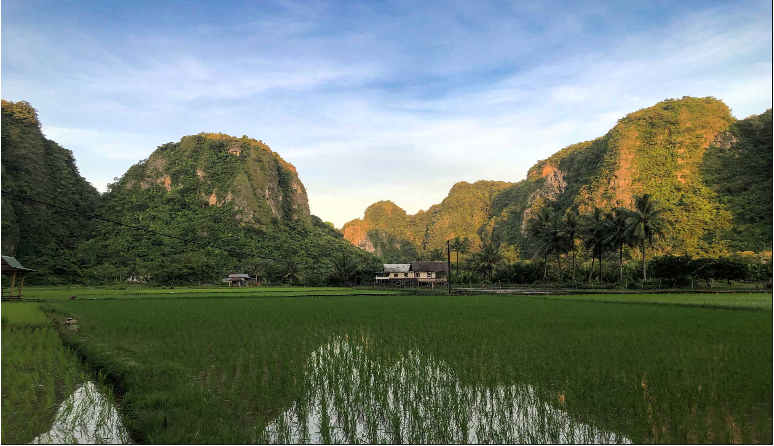
Rammang-Rammang Karst Village
Located in Maros Regency, Rammang-Rammang is known for its dramatic limestone karst landscape, peaceful rivers, caves, rice fields, and traditional village scenery. Visitors can enjoy a scenic boat ride along the Pute River and explore Kampung Berua, a village surrounded by towering karst formations. It is approximately 30 minutes from Sultan Hasanuddin International Airport.
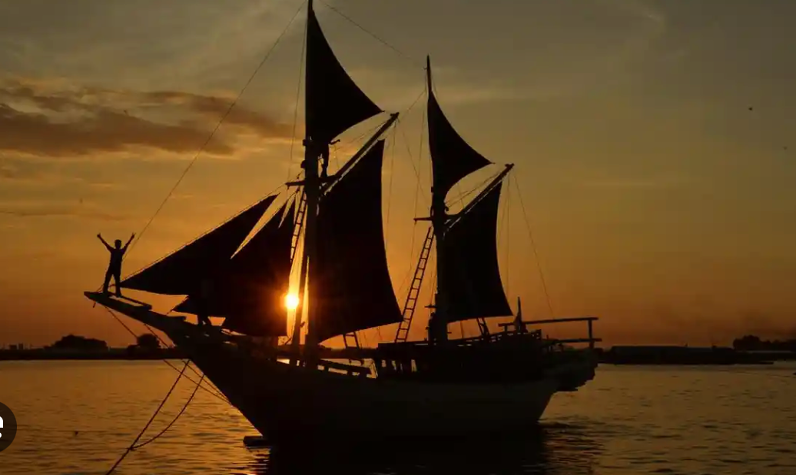
Pinisi Sailing Experience
The Pinisi is a traditional wooden sailing ship associated with the maritime heritage of South Sulawesi. The distinctive rigging and boatbuilding tradition developed by local communities has been recognized by UNESCO as Intangible Cultural Heritage since 2017. Visitors may experience the Pinisi through sightseeing, sailing, or island-hopping activities around Makassar, depending on tour availability.

99 Domes Mosque (Masjid 99 Kubah)
The 99 Domes Mosque is one of Makassar’s most iconic landmarks, located on the waterfront of the Center Point of Indonesia (CPI). The mosque features 99 colorful domes representing the 99 Names of Allah (Asmaul Husna). Its striking architecture and scenic coastal setting make it a popular destination for cultural visits, photography, and enjoying the sunset.
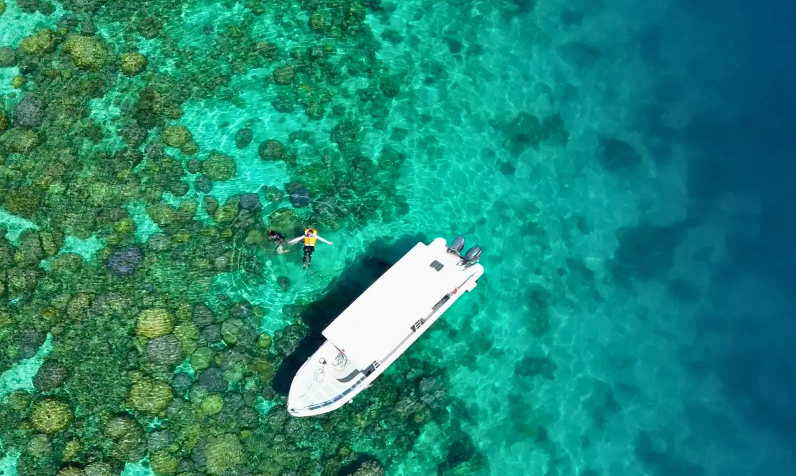
Samalona Island
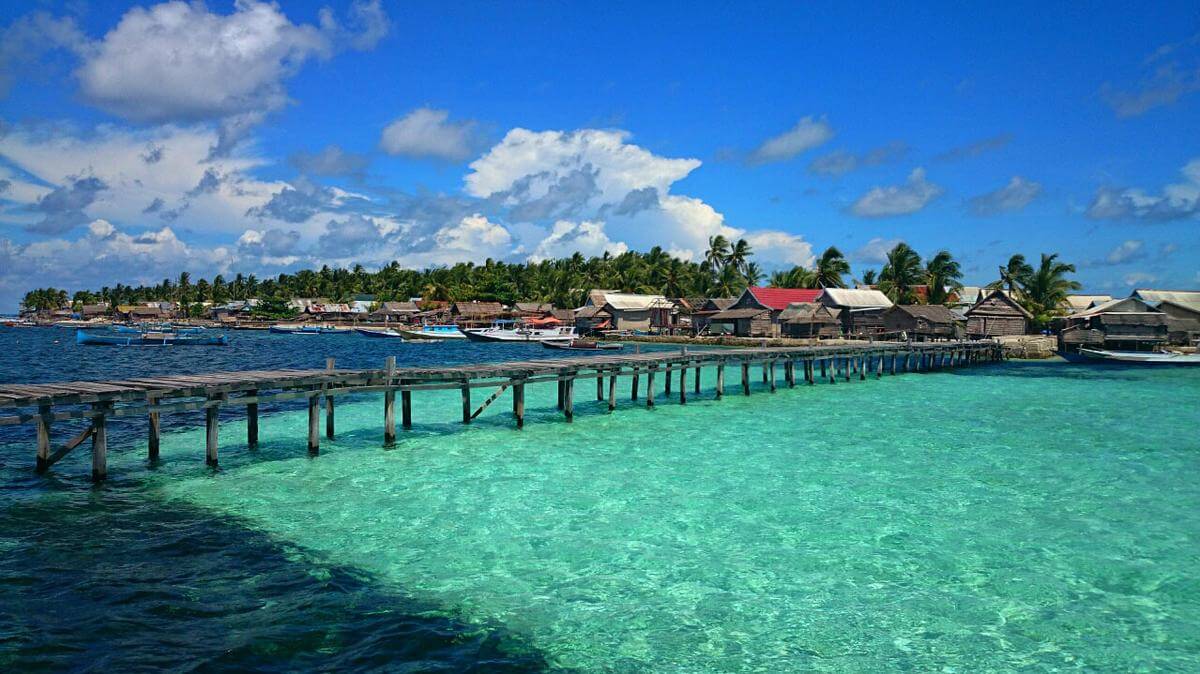
Samalona is a small tropical island off the coast of Makassar, featuring white sandy beaches, clear turquoise water, and coral reefs. The island is suitable for swimming, snorkeling, and relaxing by the sea. It can be reached by a short boat trip from Makassar, commonly departing from Kayu Bangkoa Port.
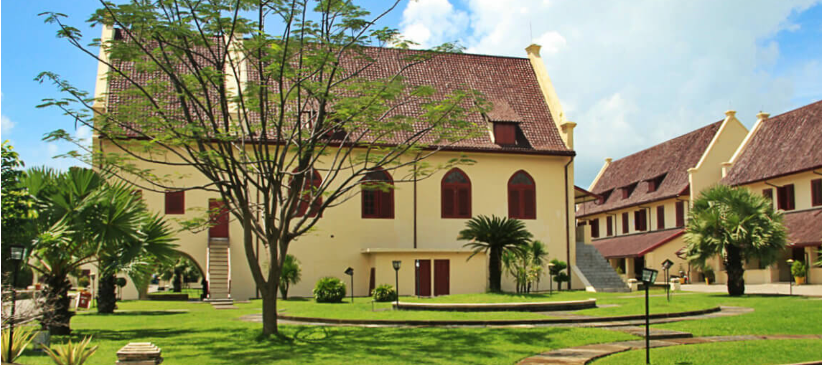
Fort Rotterdam
Fort Rotterdam is a well-preserved 17th-century Dutch colonial fort and one of Makassar’s most important historical landmarks. Originally built by the Kingdom of Gowa and later reconstructed by the Dutch, the fort now houses the La Galigo Museum, which showcases the rich history, culture, and maritime heritage of South Sulawesi. Visitors can explore the historic buildings, museum collections, and beautiful courtyards while learning about the region’s fascinating past.
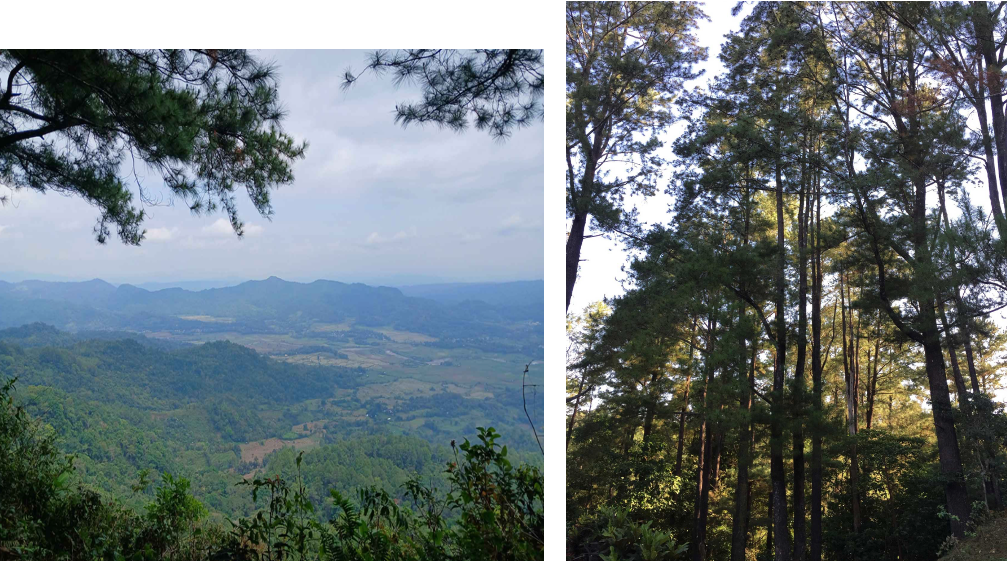
Hasanuddin University Educational Forest
The Hasanuddin University Educational Forest, also known as the Bengo-BengoEducational Forest, is located in Limapocoe Village, Maros Regency. It supports education, research, conservation, training, and nature-based recreation. The area includes an arboretum with endemic Indonesian plant species and offers visitors an opportunity to learn about forest ecosystems and biodiversity. Travel time from Makassar is approximately 1.5 hours by car
Tour Arrangements
Participants may visit these attractions independently or book a guided tour through local travel agencies or online travel platforms.
For transportation and tour bookings, participants may use:
- Grab and Gojek (for city transportation)
- Traveloka Xperience
- Klook
- Local travel agencies and hotel concierge services
For island tours (e.g., Samalona Island) and Pinisi sailing experiences, boat trips and tour packages are available through local tour operators. Participants are encouraged to make reservations in advance, particularly during weekends and public holidays.
For assistance with local tours and transportation, participants may also contact the FERCAP Conference Secretariat.
International participants: panida210@hotmail.com
Indonesian participants: fercap2026.id@gmail.com
Committee
Steering Committee: FERCAP (Forum for Ethical Review Committees in the Asian and Western Pacific Region)
Advisory Board
Prof. Dr. dr. Haerani Rasyid, M.Kes., Sp.PD-KGH., Sp.GK., FINASIM (Dekan)
Prof. Dr. dr. Suryani As’ad, MSi, SpGK(K)
Dr. dr. Nu’man AS Daud, SpPD, KGEH, FINASIM
Executive Committee
Chair:
Prof. dr. Muh Nasrum Massi, PhD, SpMK(K)
Vice Chair:
1. Prof. Dr. dr. Rina Masadah, Sp.PA., M.Phil.DFM
2. Prof. dr. Agussalim Bukhari, M.MClinPhD, SpGK(K)
Secretary:
Septi Dewi Rachmawati, S.Kep., MNg
Treasurer:
dr. Ema Alasiry, SpA(K)
Scientific Committee
Prof. dr. Uleng Bahrun, PhD, SpPK(K)
Prof. Upik Miskad, PhD, SpPA
Harnawan Rizki, S.Si., MSi
Dr. dr. Irda Handayani, SpPK(K)
Dr. Muhammad Petrus Johan, PhD, SpOT
Program Committee
dr. Nuria Iftitah Dedikasih Dachlan, M.Biomed
dr. Ainan Raena Nas, MKM
dr. Nurul Rifqiani Djerman, M.Biomed
Dr. dr. Andi Salsa Anggaraeni, M.Kes
Aqua Sylvii Cancerina, S.E., M.M
Nadia Yulizar Suharto, S.Si
Sponsorship & Fundraising Committee
Prof. Dr. dr. Warsinggih, SpB-KBD
Dr. dr. Irawaty Djaharuddin, Sp.P, FISR
Juliani Ibrahim, M.Sc., PhD
Rochfika, S.Kep., Ns., SpKV., M.Kes., M.Kep
Accommodation & Hospitality Committee
Dr. dr. Masita Gaffar, SpTHT-KL
Dr. dr. Irda Handayani, SpPK
Dr. drg. Marhamah, M.Kes
Monalisa Waworundeng
Asrini Wahyuni, S.E., MM
Suarni
Logistics & Transportation Committee
Noer Muhaimin Putra Tahir, SH
M Agus Gunandar, SIP, MIP
Dewa Rusdiman
Faldy Mansyur, S.M
A. Amri, S.Kom
Public Relations, Publication & Documentation Committee
Dr. dr. Berti Nelwan, SpPA (Koordinator)
Prof. Dr. dr. Prihantono, M.Kes., SpBOnk
dr. Muh Iqbal Basri, SpS
Prof. Dr. dr. Muzakkir Amir, SpJP(K)
Andi Tenri Aru, SH
Wanda Milenia
Conference Secretariat
Dr. dr. Saidah Syamsuddin, SpKJ
Dr. dr. Haizah Nurdin, SpAn
Rahayu Iryani
Nurbayani
Farhan Mutahar, S.S., MSi
IT Support & Liaison Officers
Ardiansyah, S.Kom
Muhammad Akbar, S.Kom
Edy Setiawan, S.Kom
Syamsul, S.Kom
Andi Supriady Sau
Liaison Officer Coordinator:
dr. Ririn Nislawati, SpM
Contact us
Conference Secretariat
The 26th FERCAP International Conference 2026
Faculty of Medicine, Hasanuddin University
Jl. Perintis Kemerdekaan Km. 10, Tamalanrea
Makassar 90245, South Sulawesi, Indonesia
📧 Email: fercap2026.id@gmail.com
🌐 Website: https://fercap2026-makassar.org
International Participants
- Abstract Submission:
- Registration & General Inquiries:
- Liaison Officer (LO) (venue, transportation and local arrangements):
- Irawaty (+62 811 447 082)
Indonesian Participants
- Abstract Submission & General inquiries: fercap2026.id@gmail.com
- Registration: Rina Masadah (+62 813 1075 3486)
- Scientific Committee (abstract status and presentation):
- Harnawan Rizky (+62 812 1104 106)
- Liaison Officer (LO) (venue, transportation and local arrangements)
- Nuria Iftitah (+62 811 4451 885)
